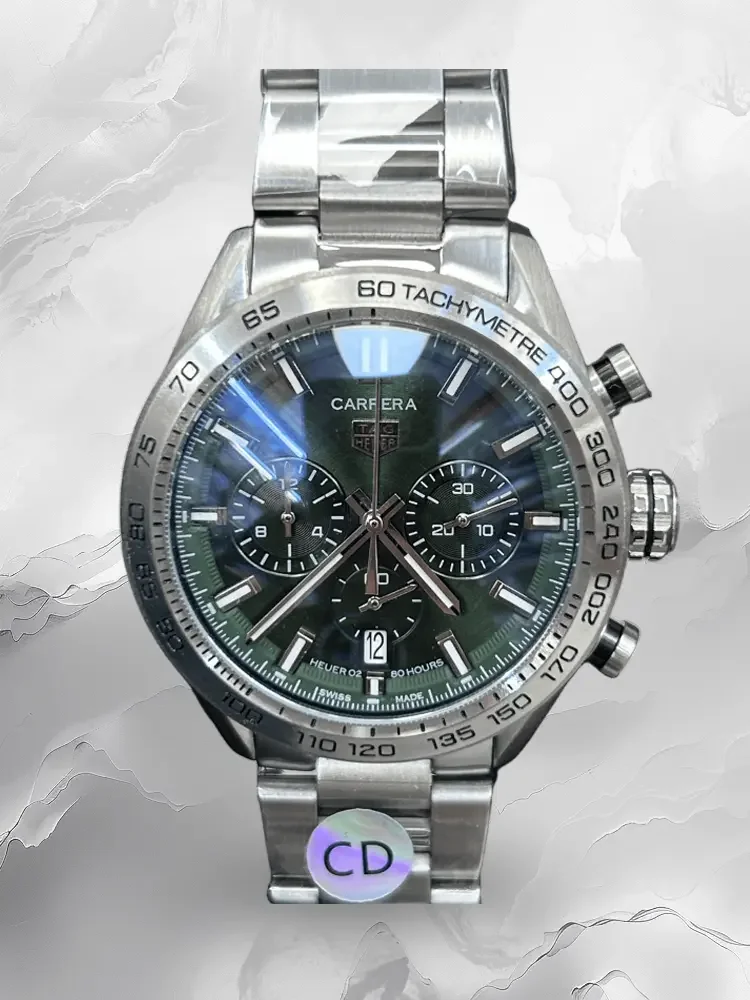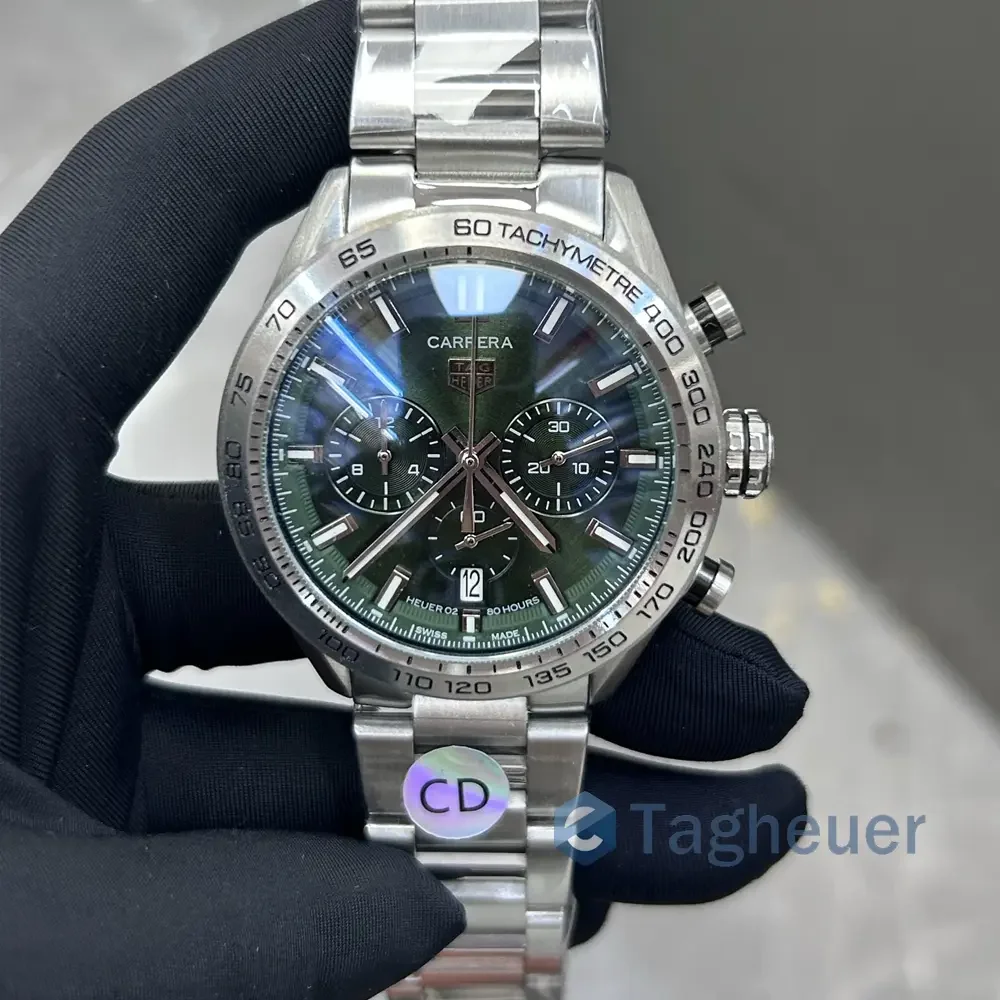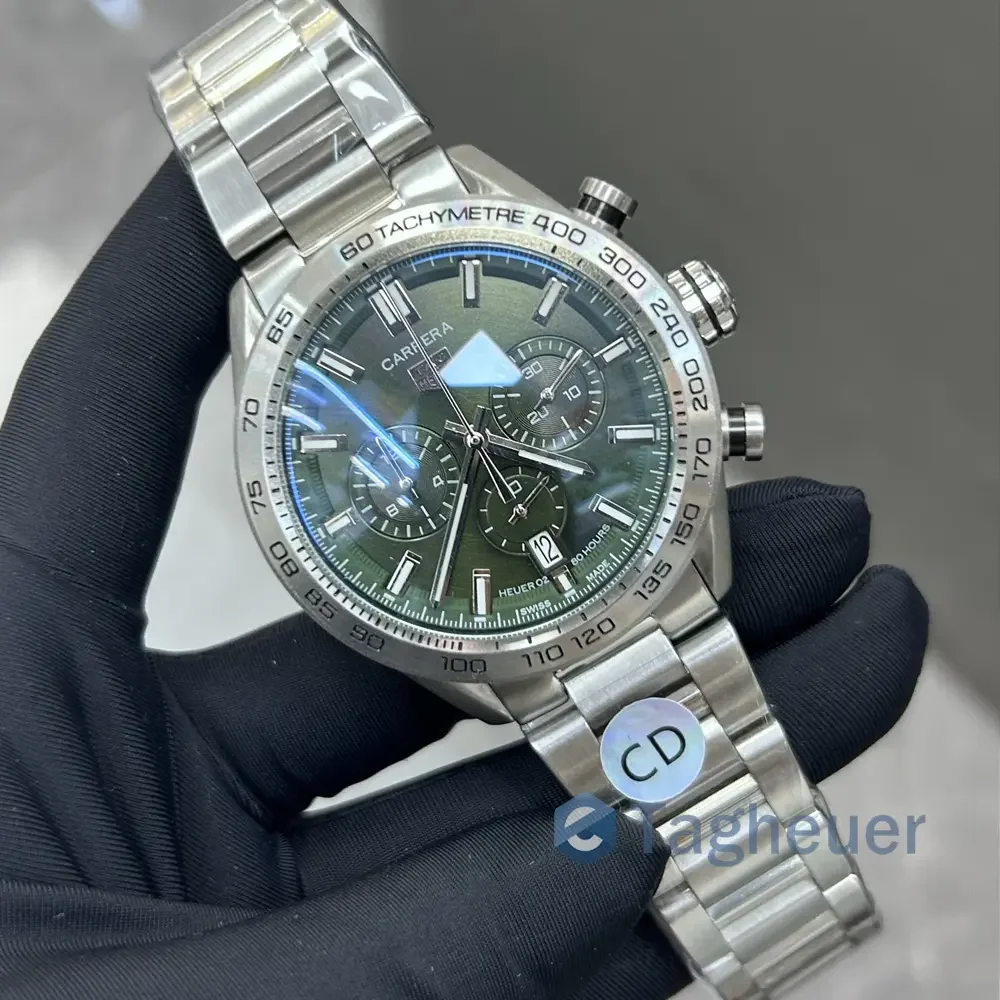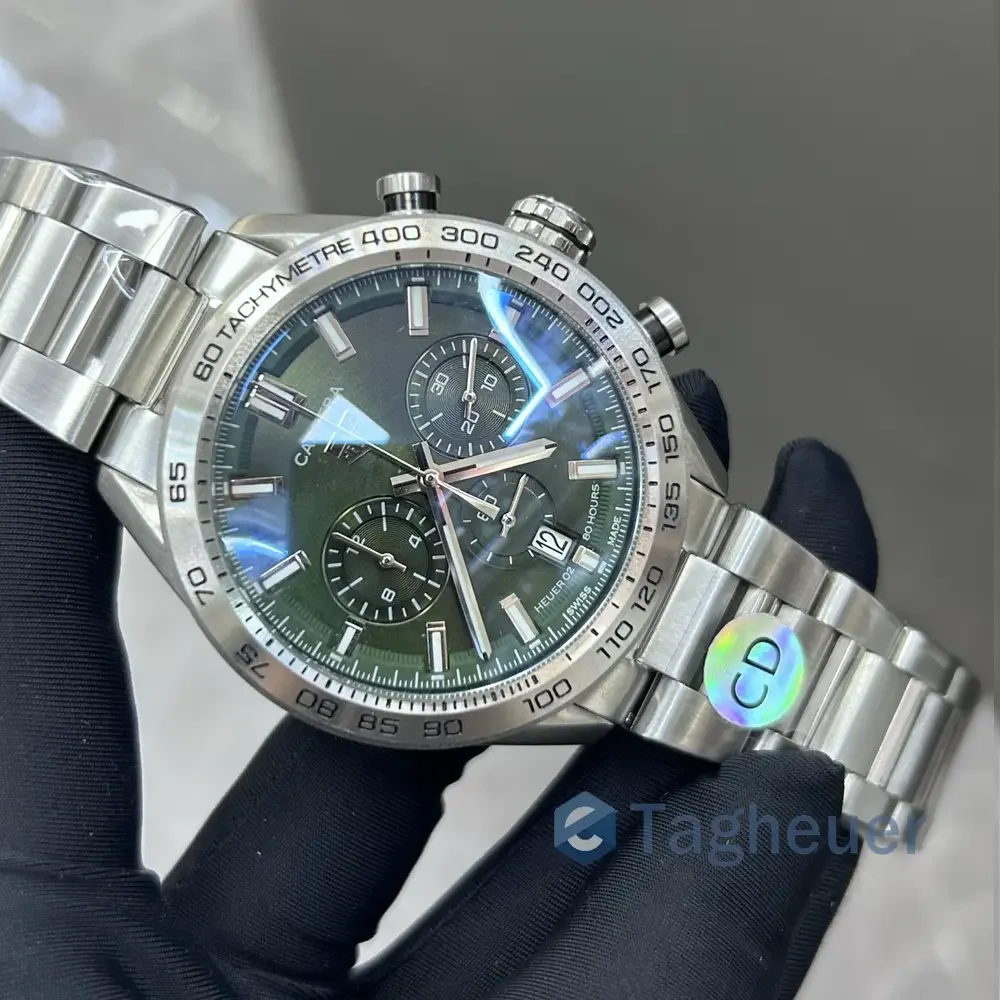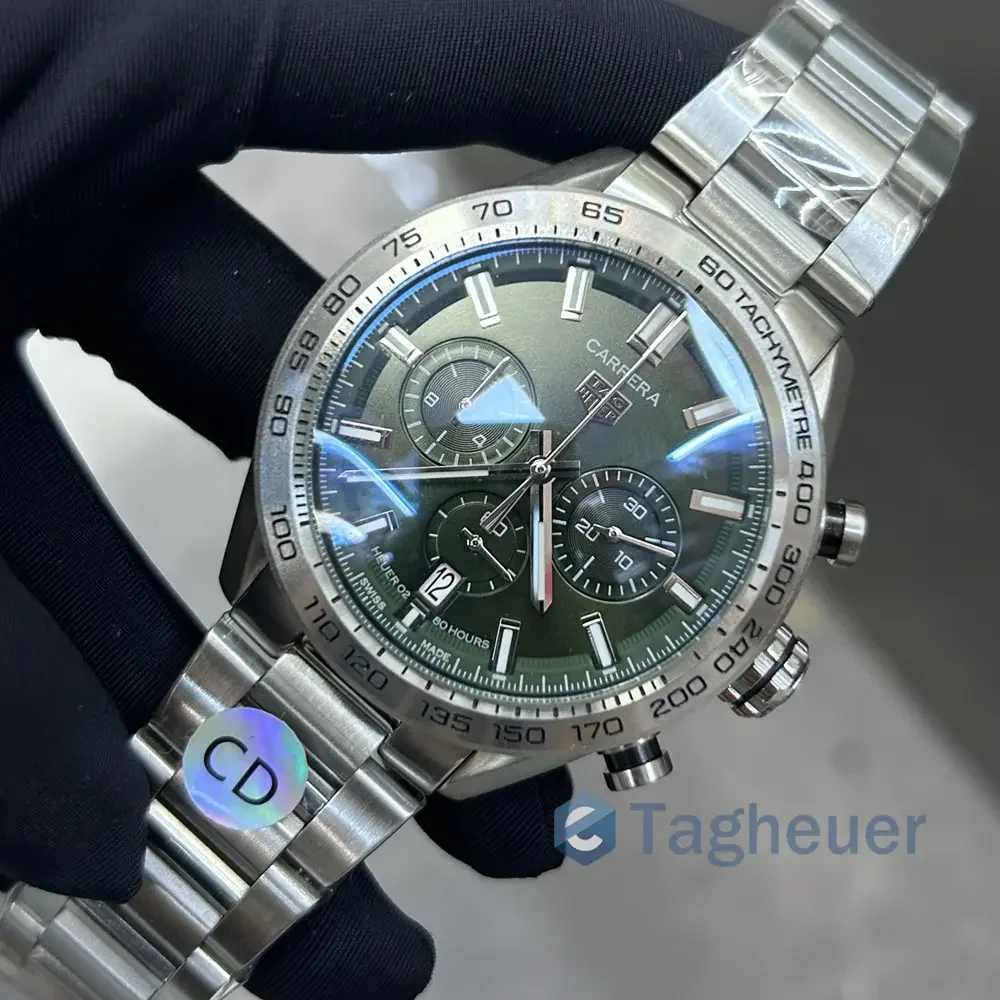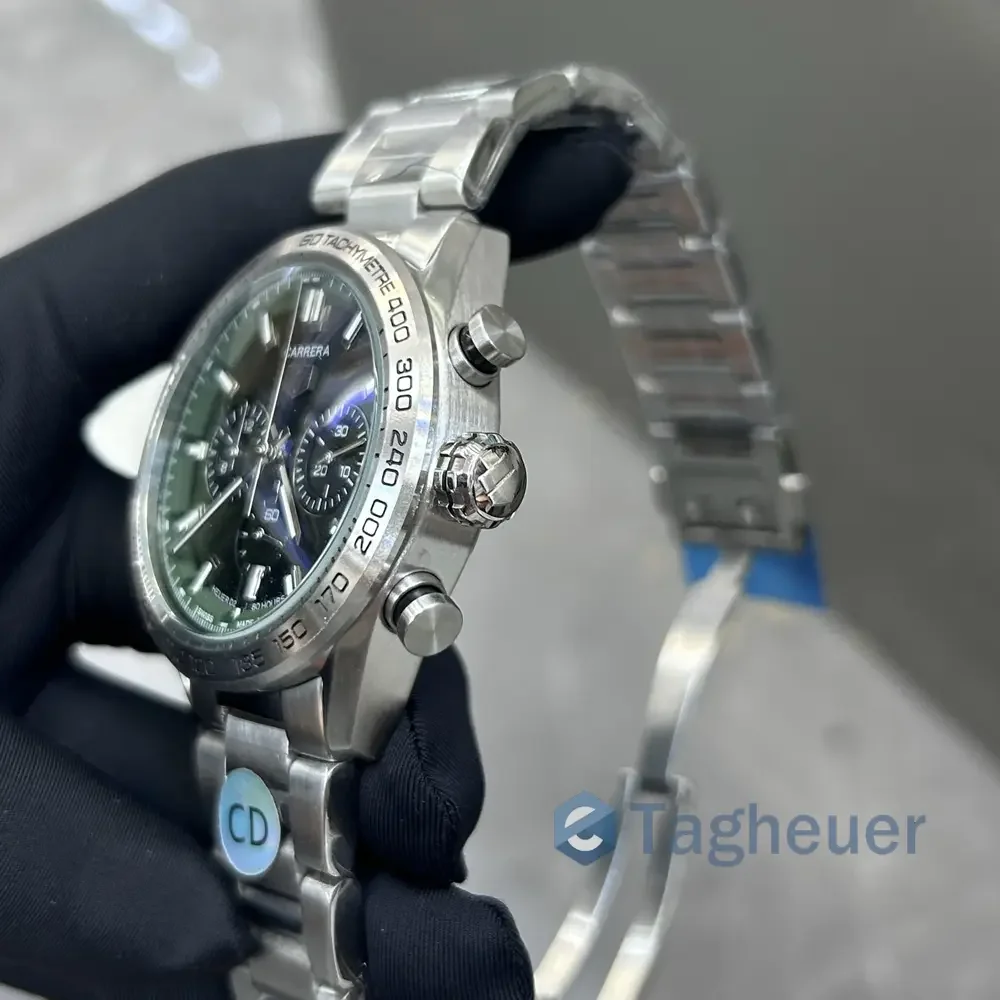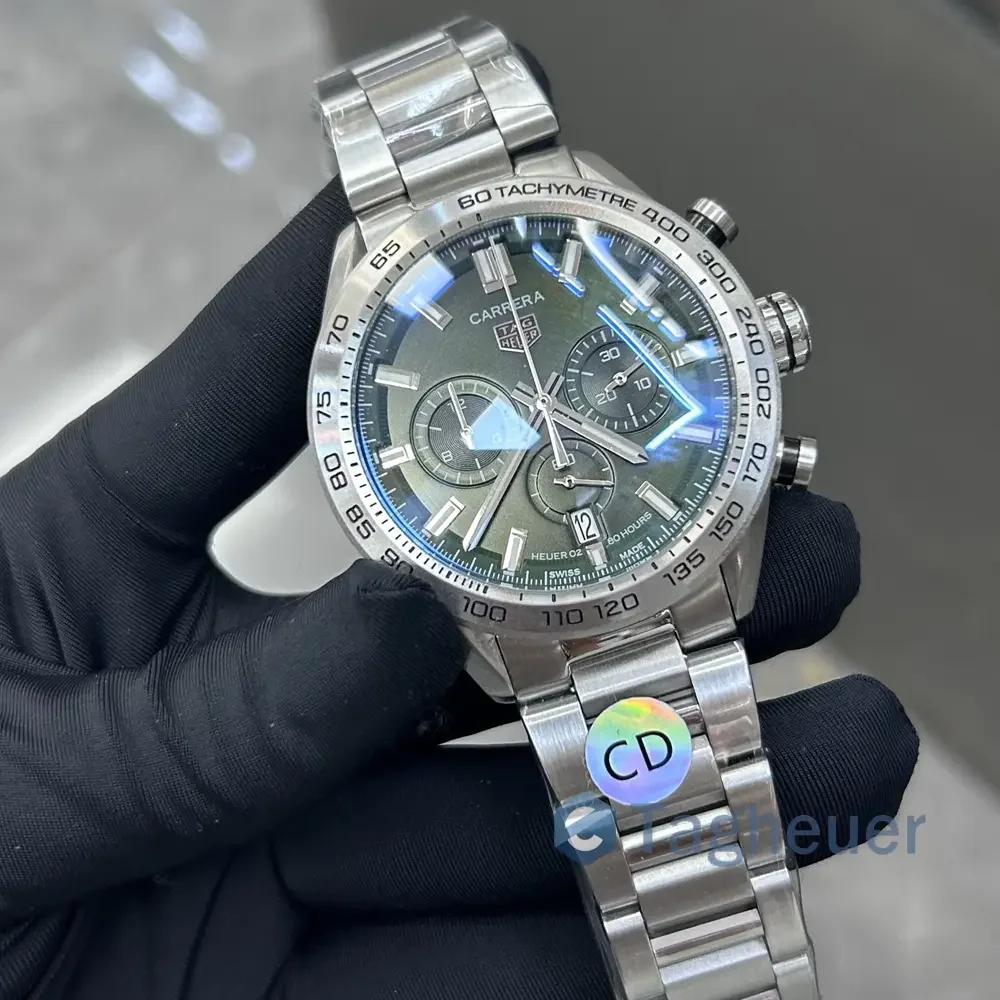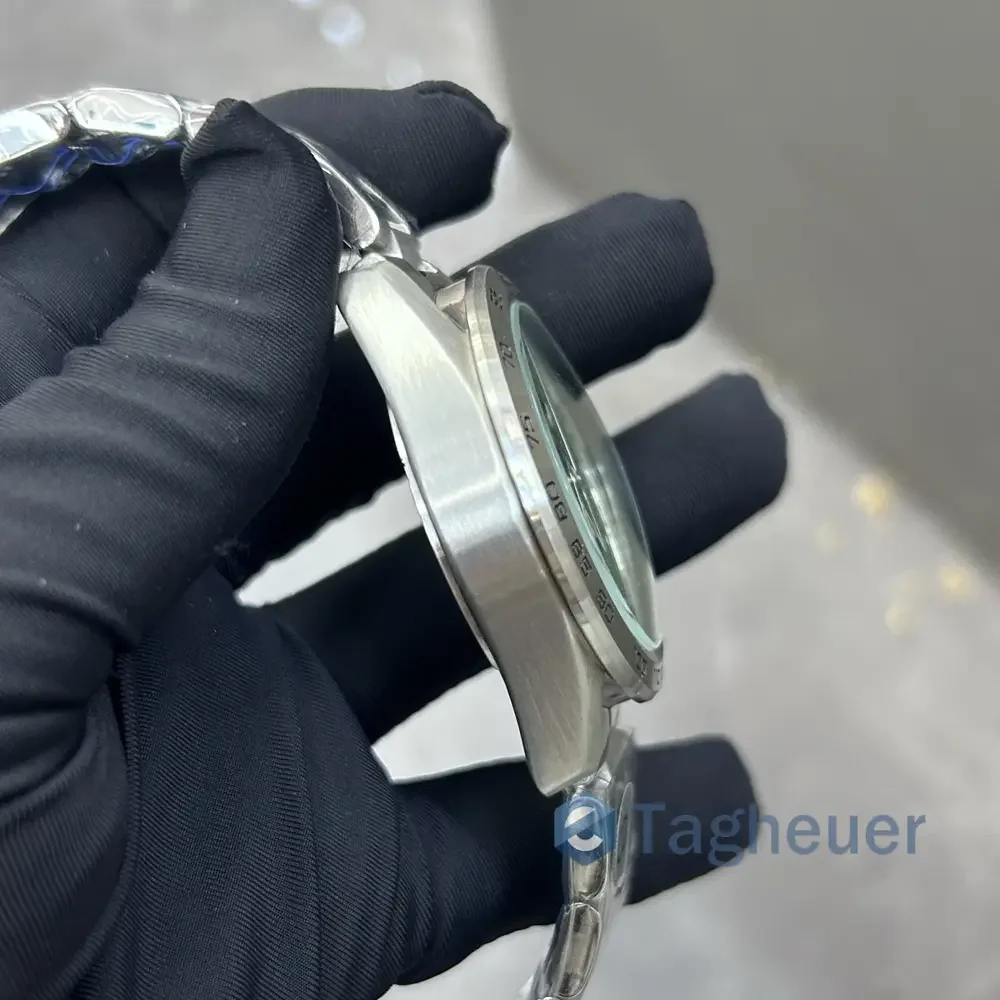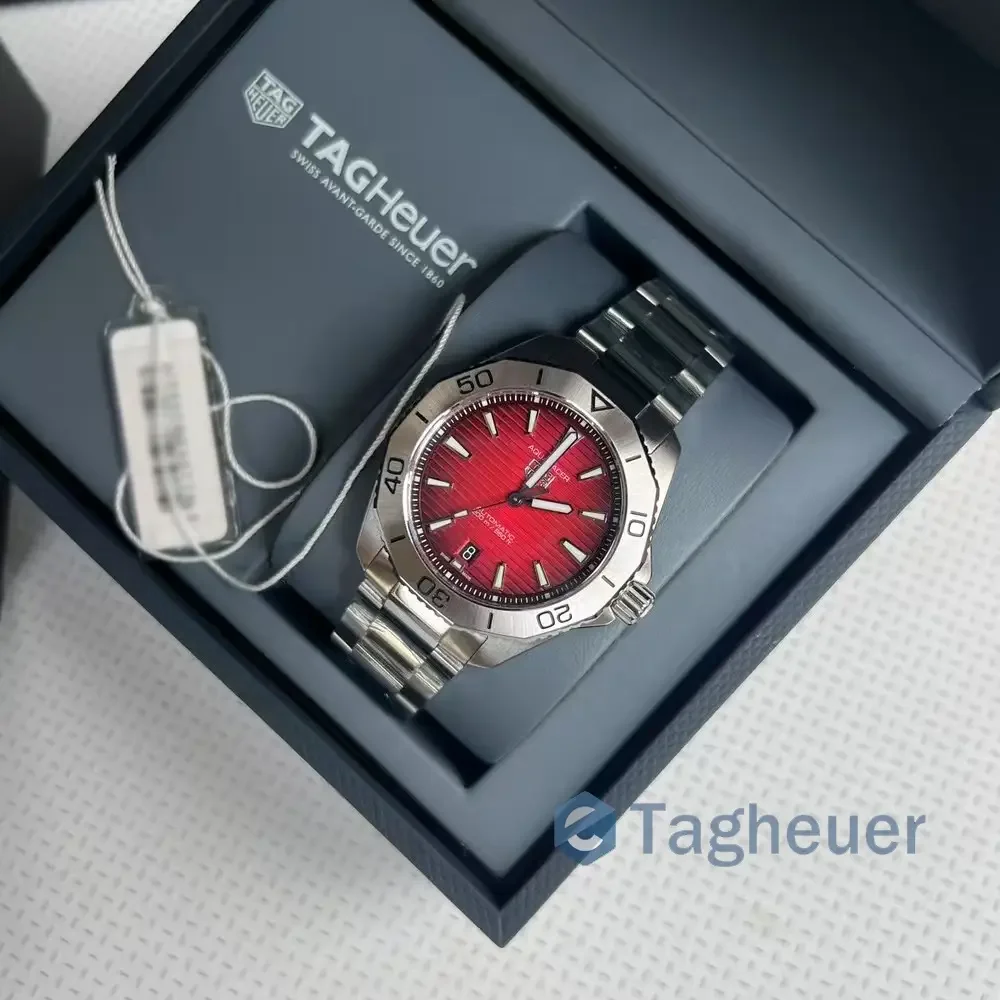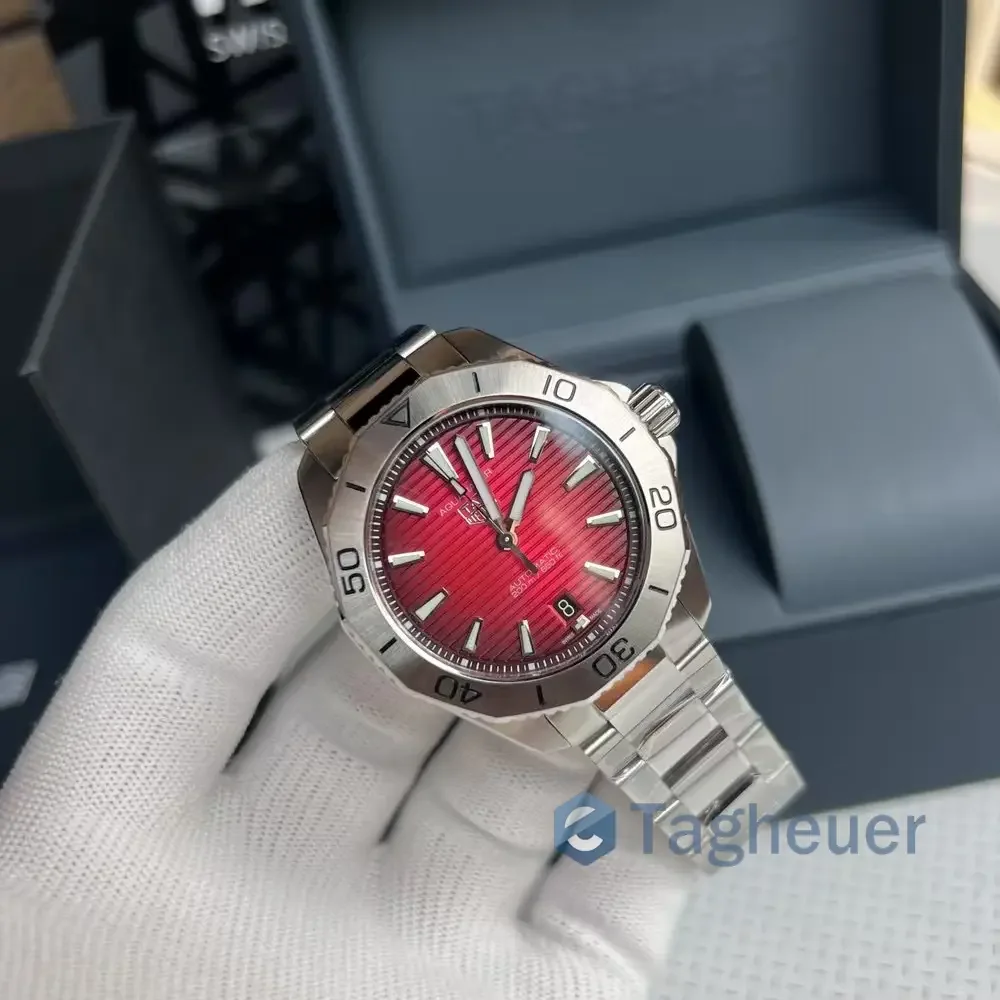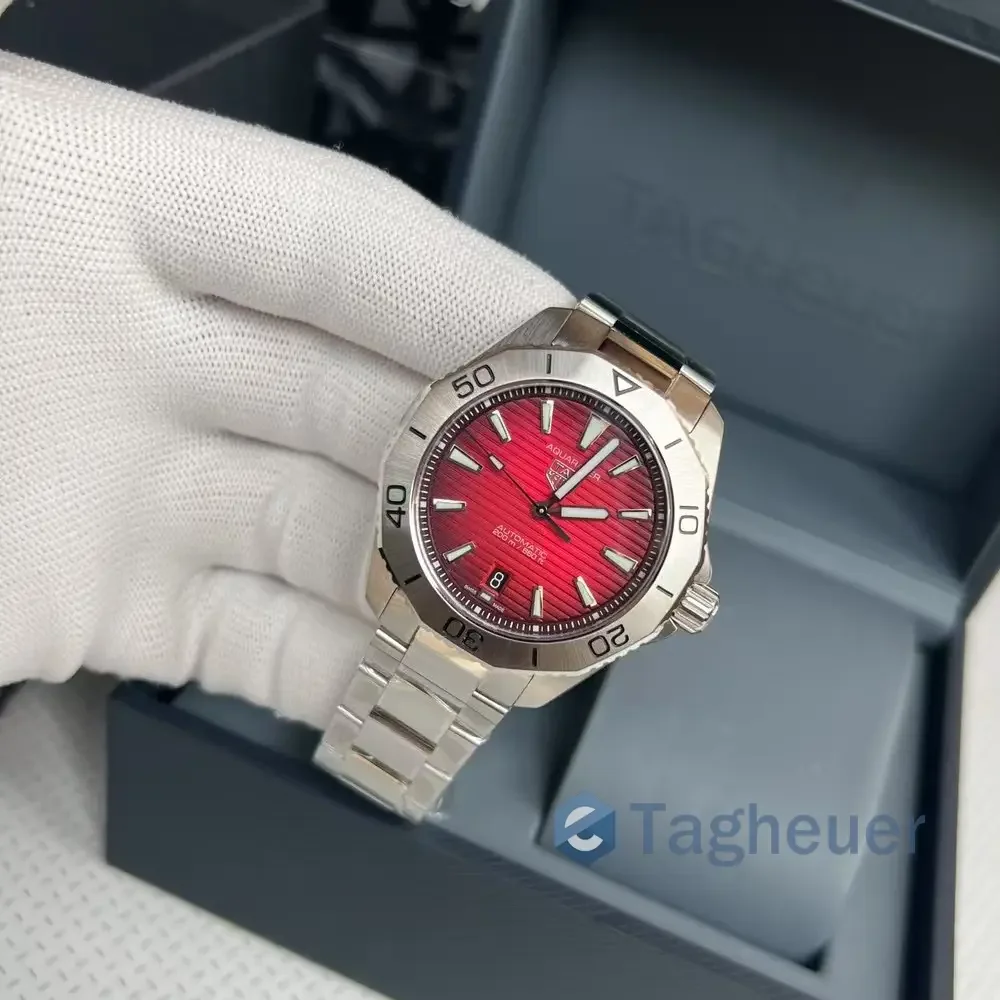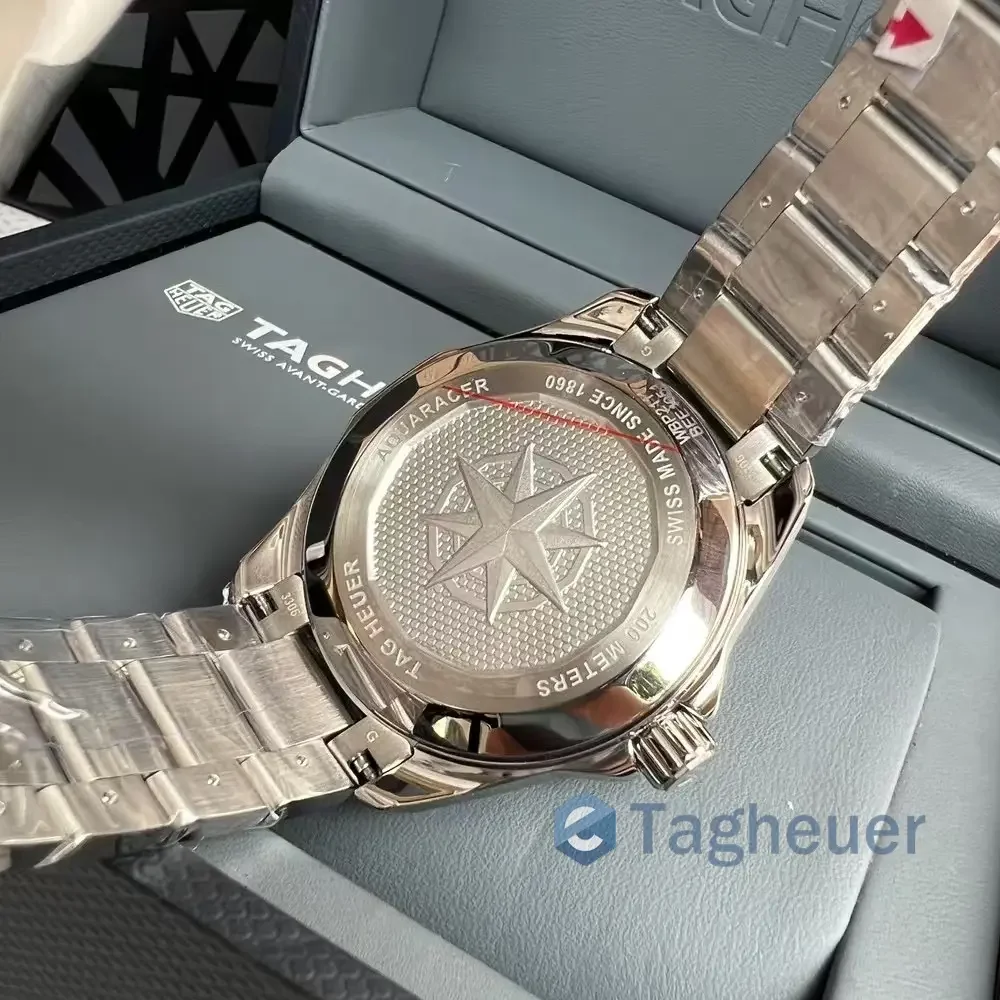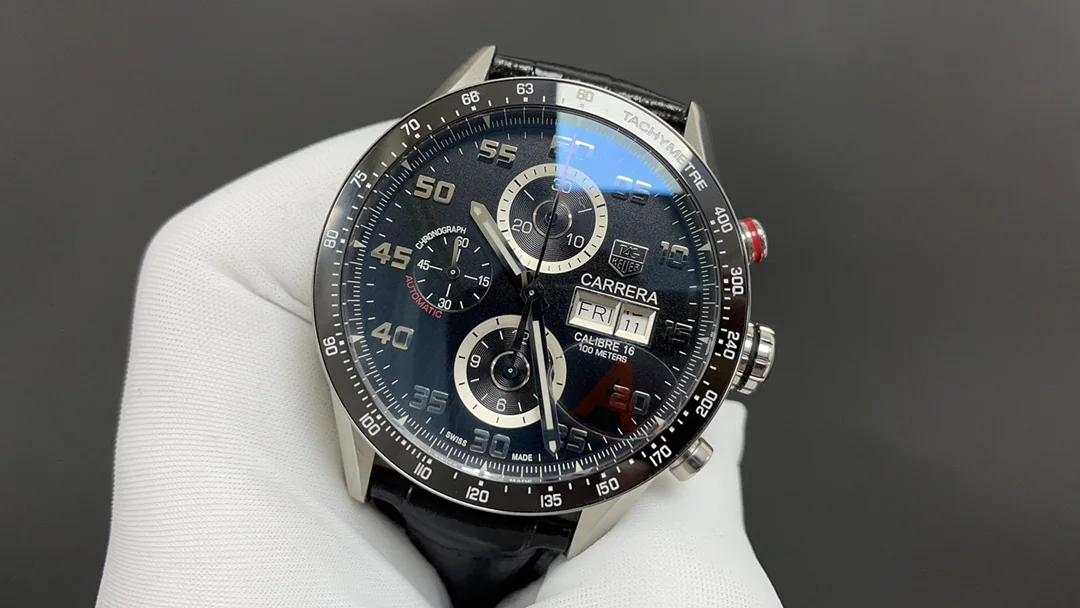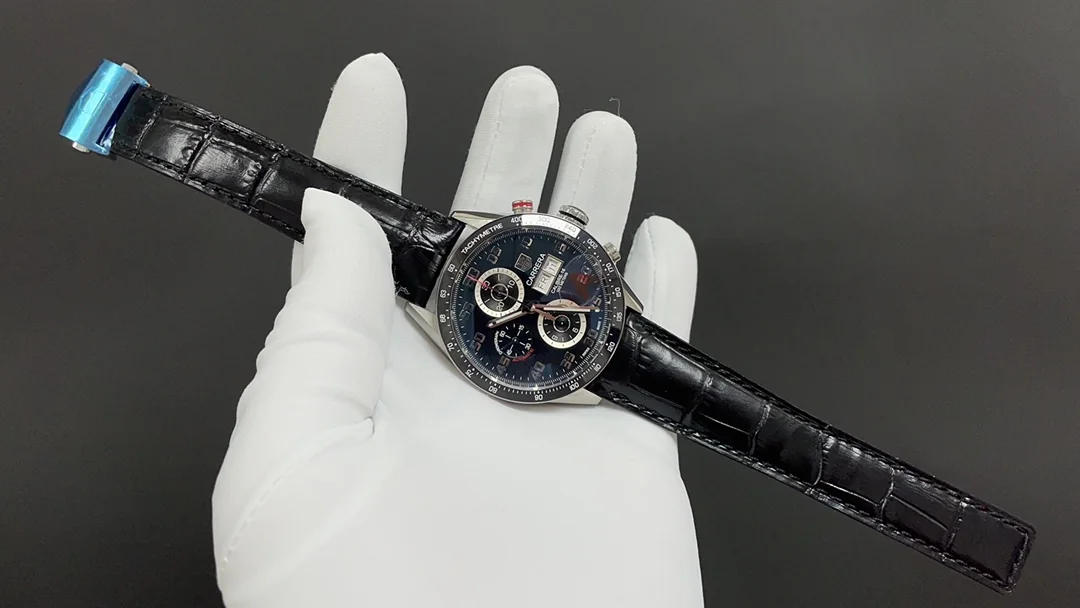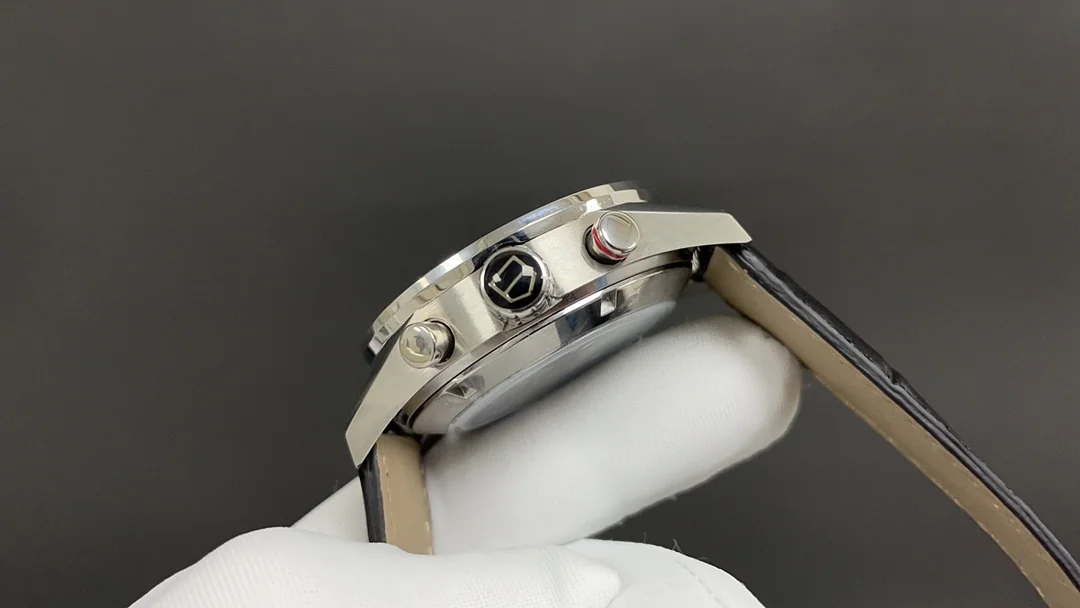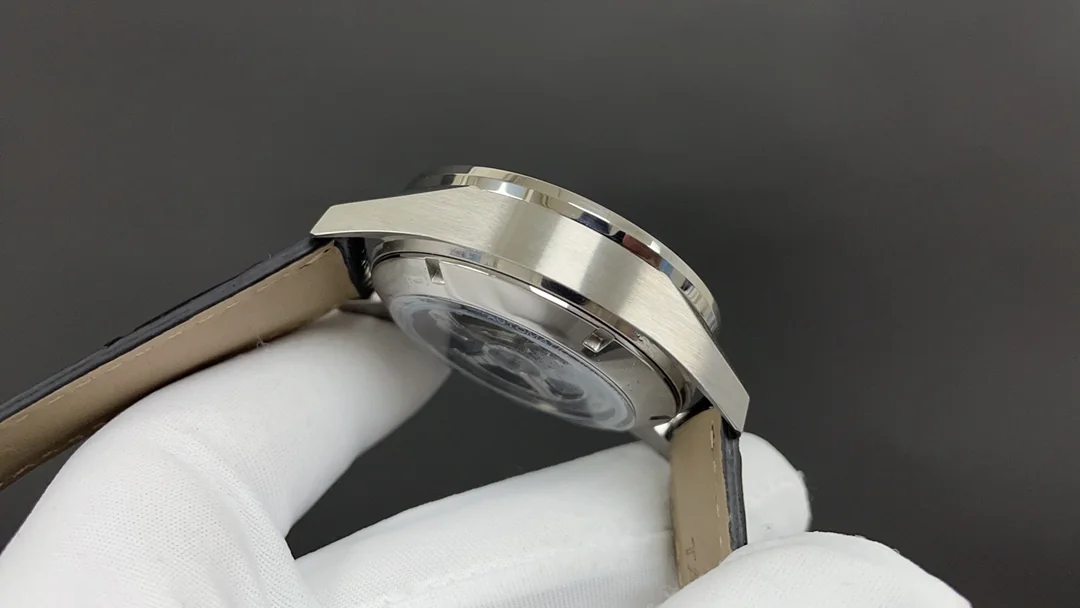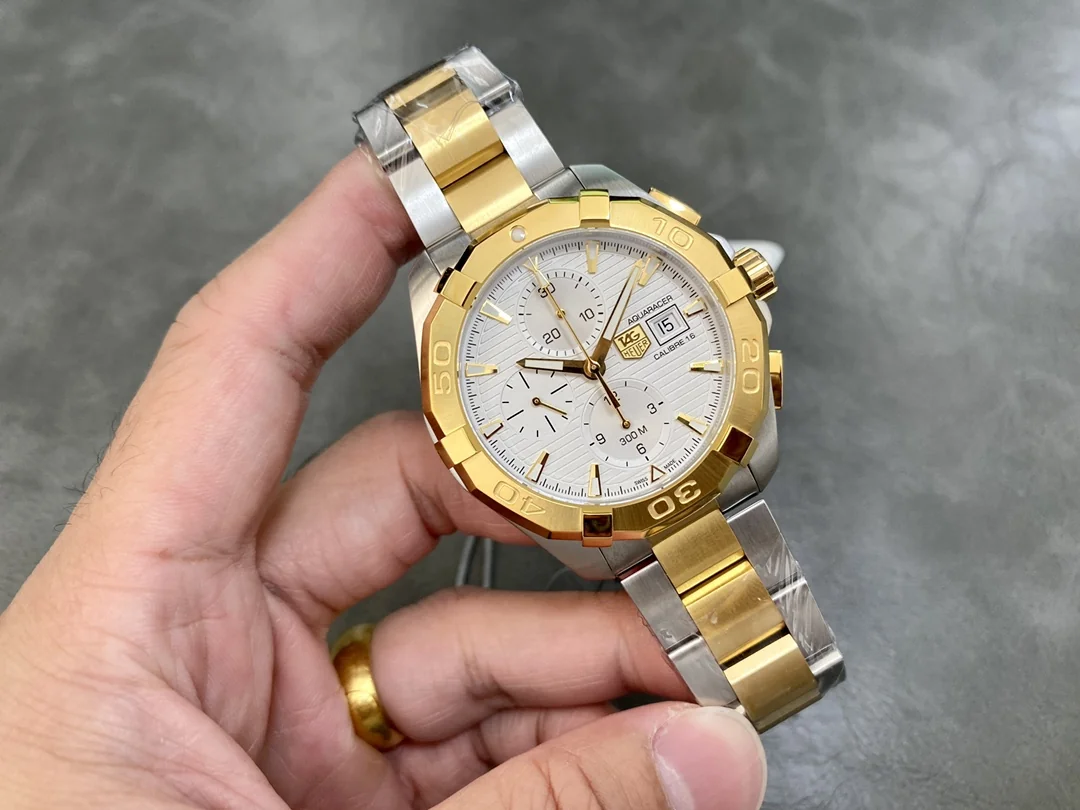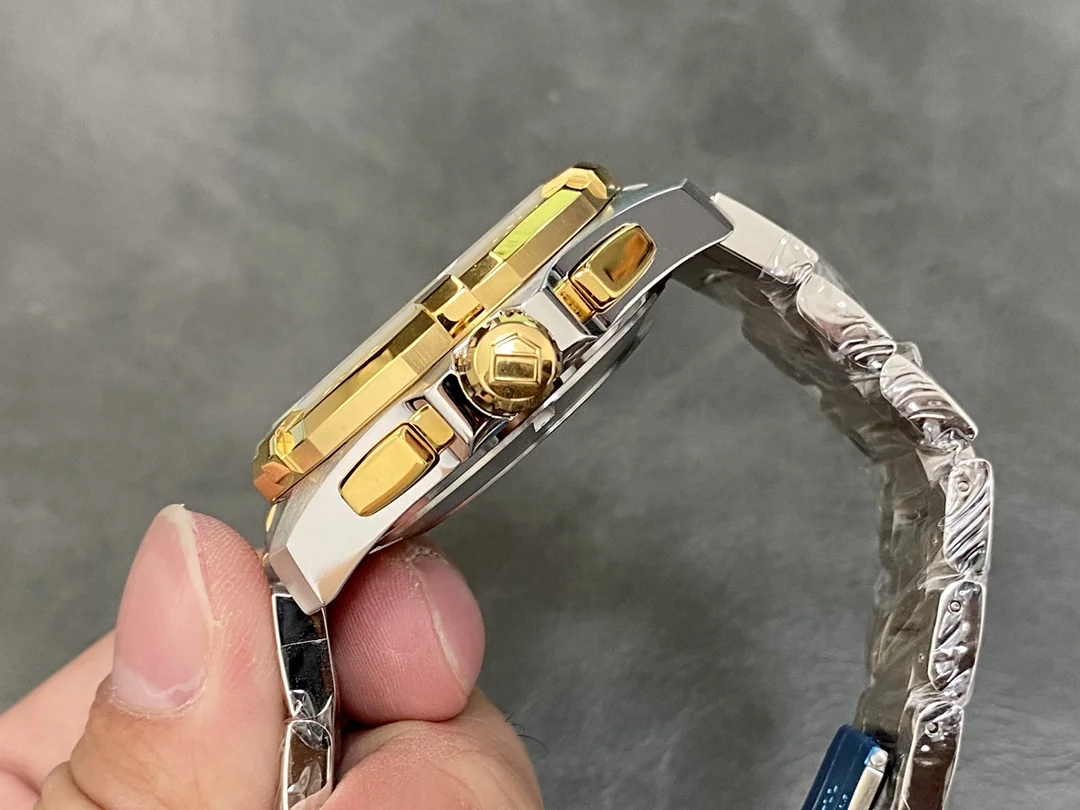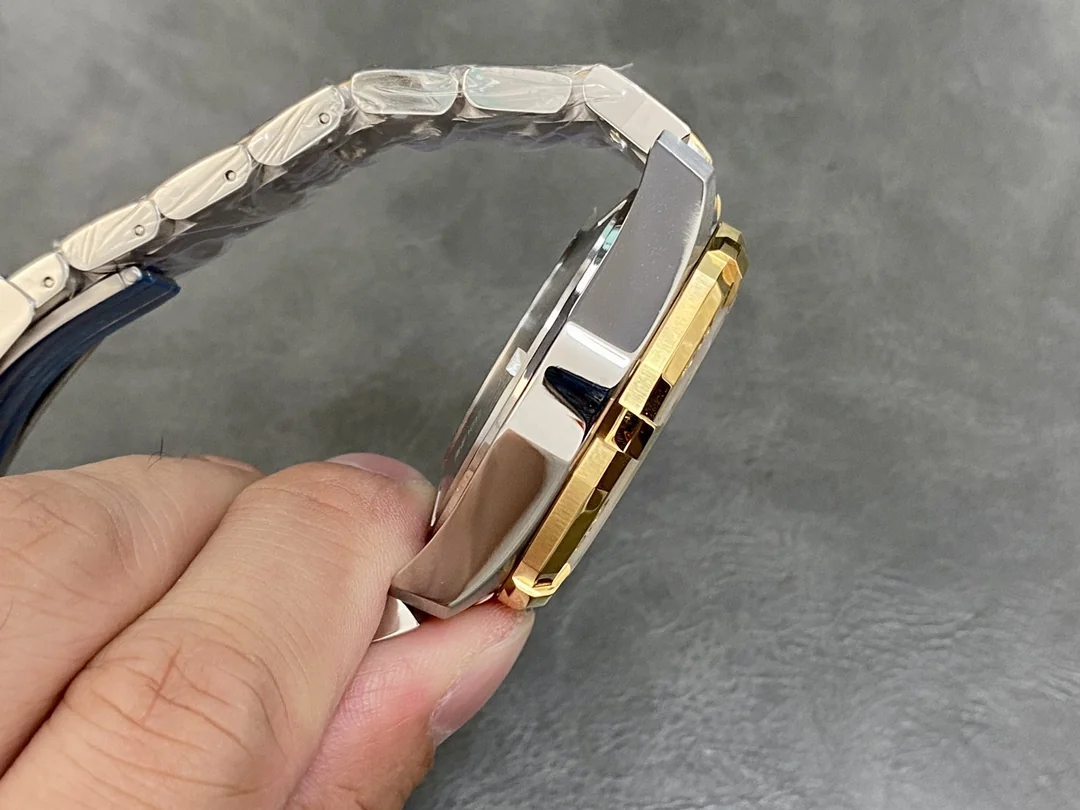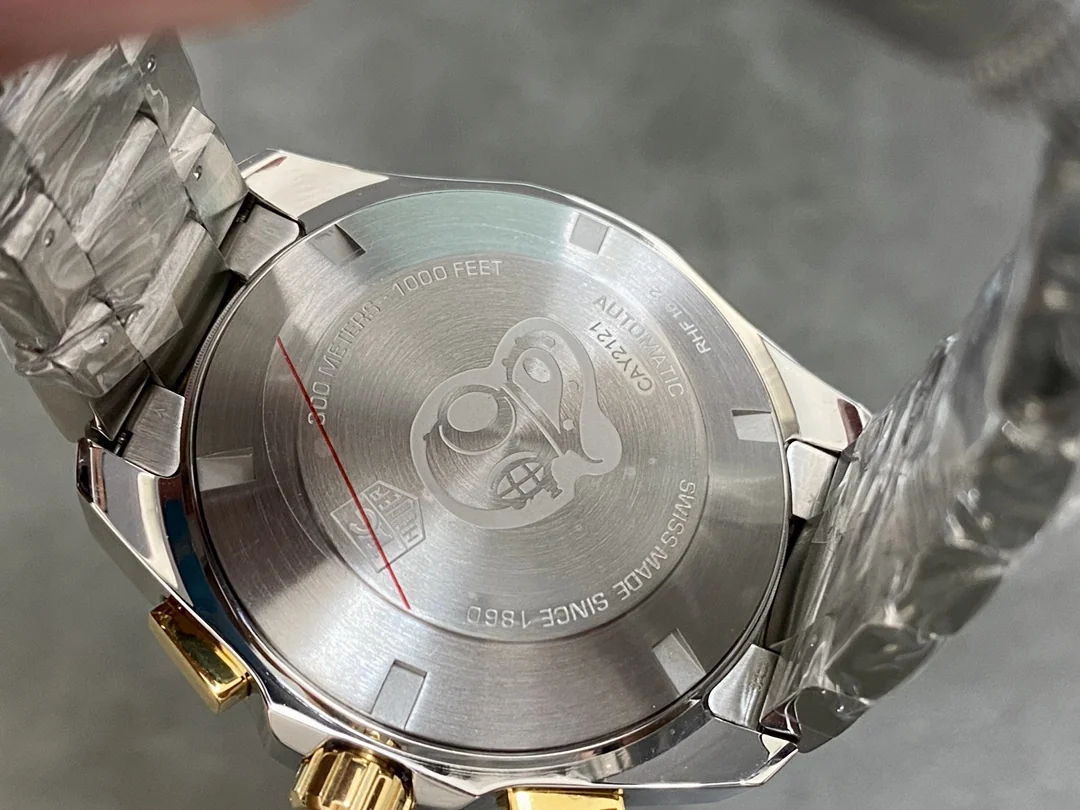
Your Tag Heuer replica has crossed the ocean, survived customs, and is sitting on your table. Before you put it on, take ten minutes and run this inspection. It is the same checklist our packing team runs before a watch leaves Guangdong, and it will tell you in under ten minutes whether the watch that arrived is the watch you ordered — and what to do if it is not.
Before you start
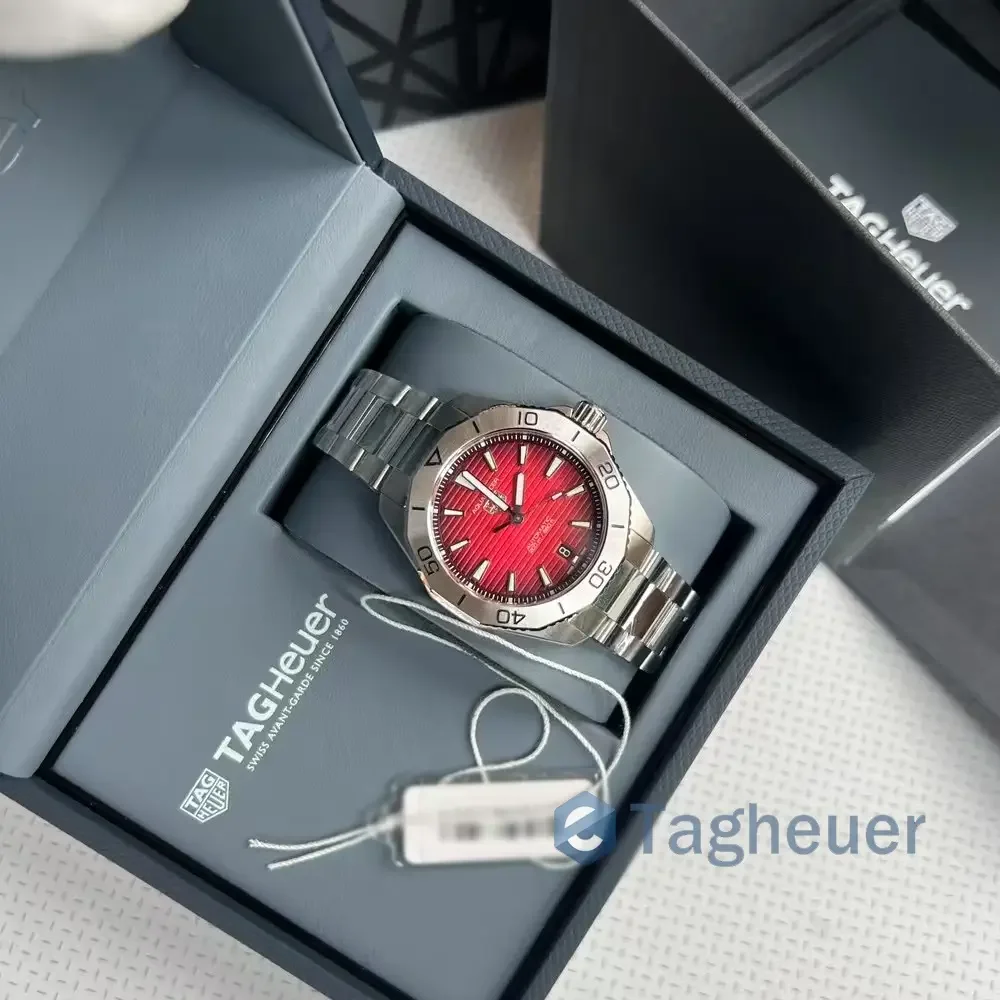
Work in daylight or under a bright lamp, with the listing photo open on your phone. You are comparing this watch against the photos of this reference — every listing on this site is photographed per reference, so the comparison is apples to apples. Keep the packing materials until you are done; if anything is wrong, they are part of the evidence.
The 10-point inspection
1. Dial printing
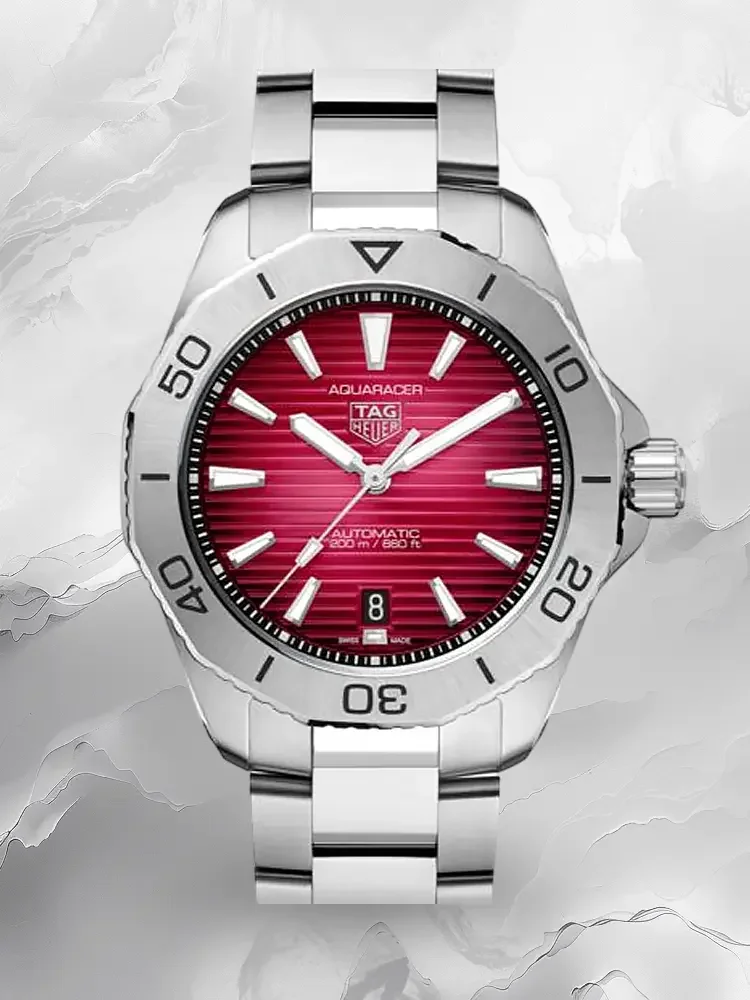
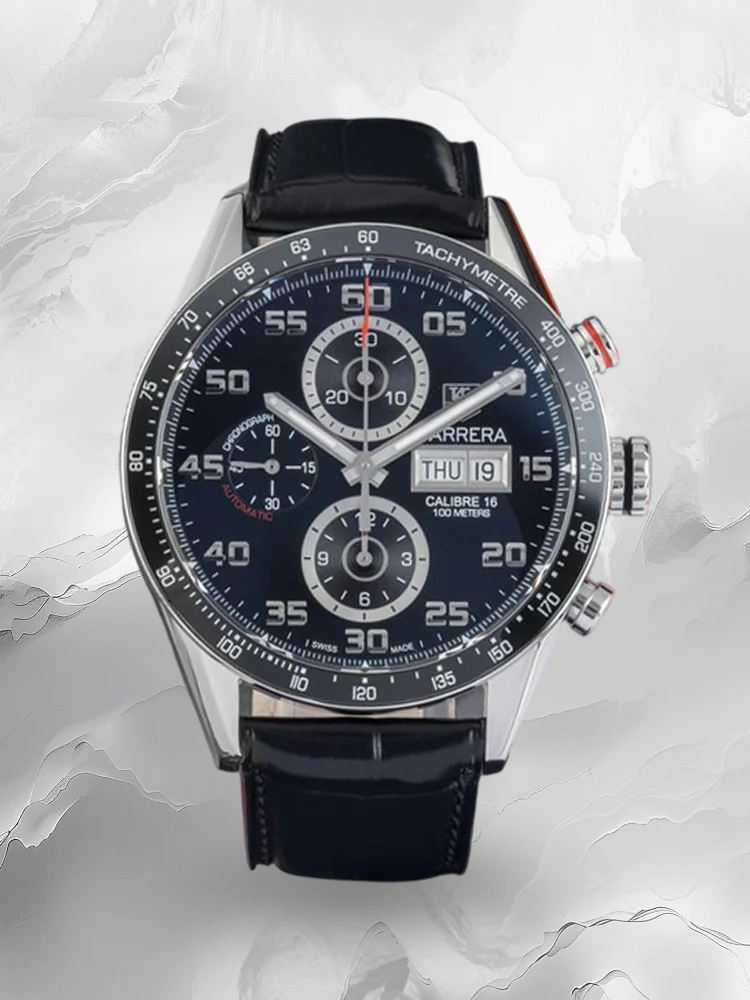
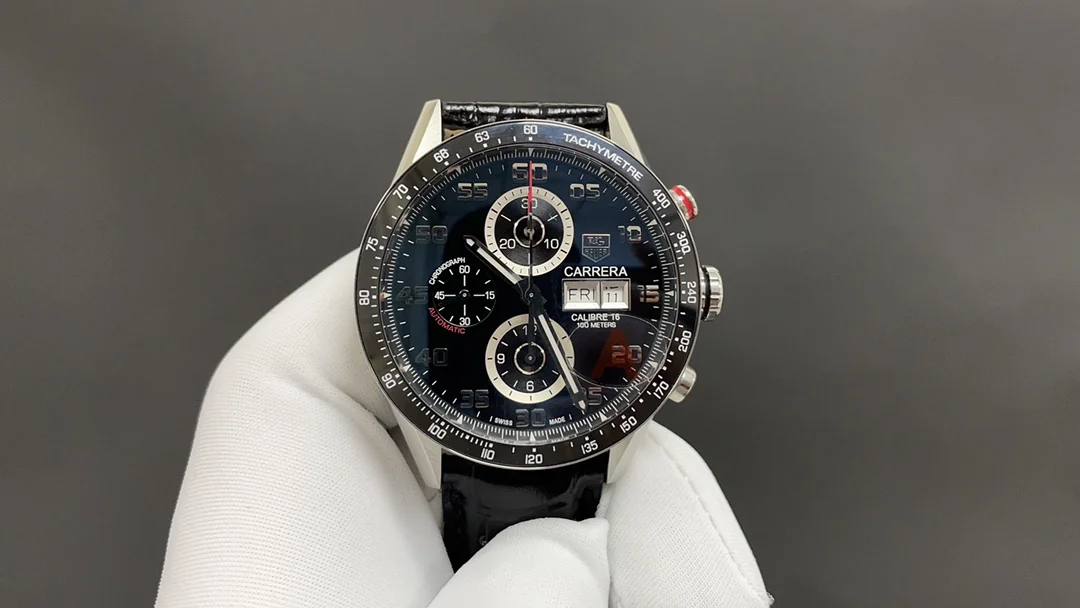
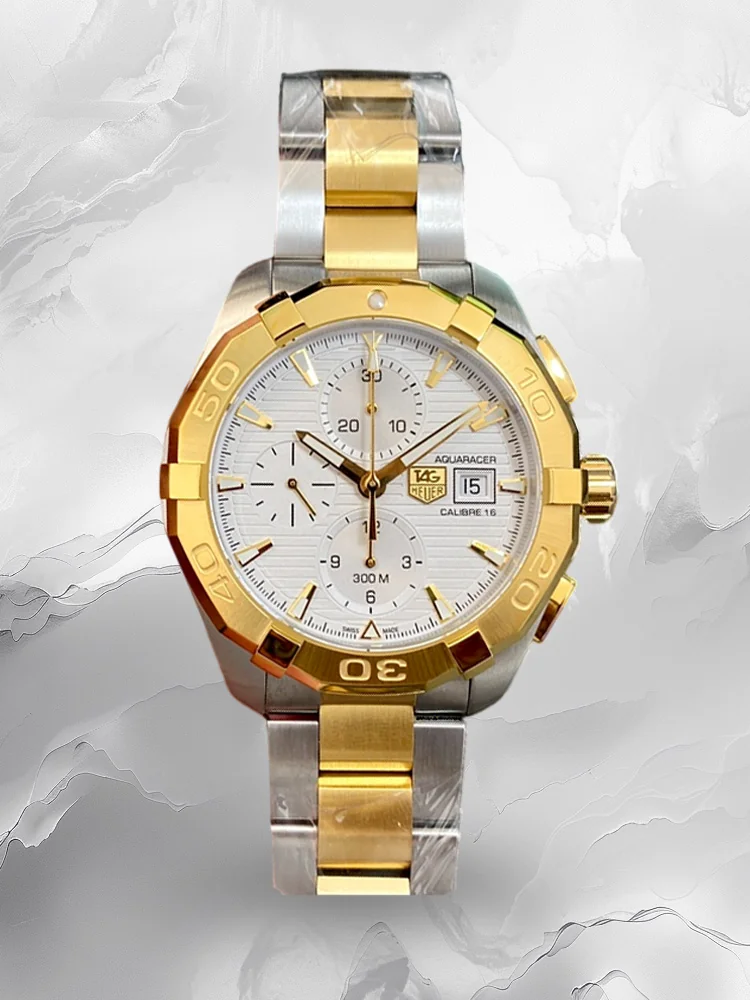
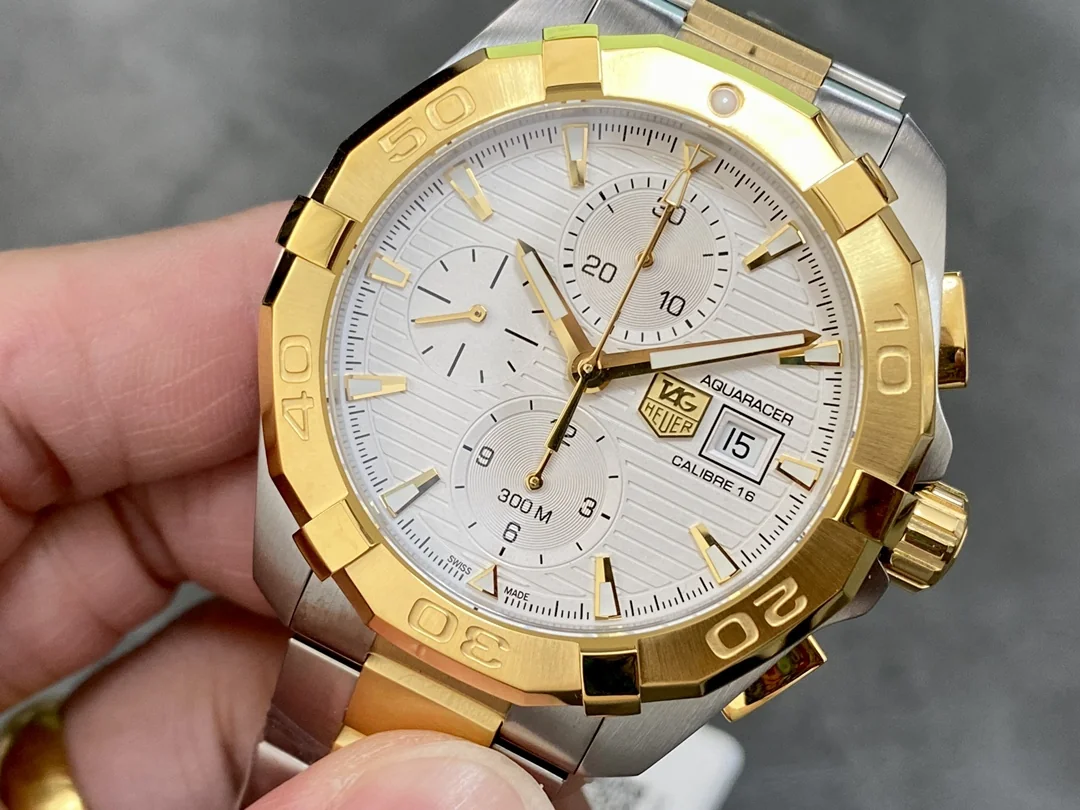
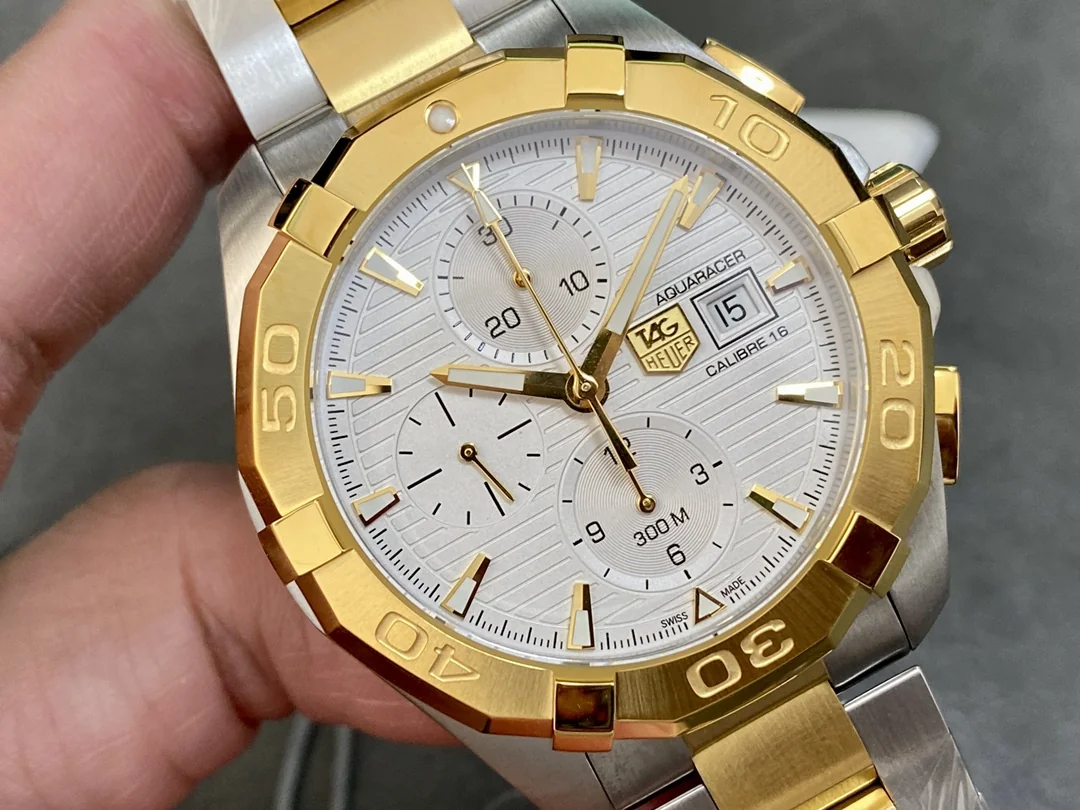
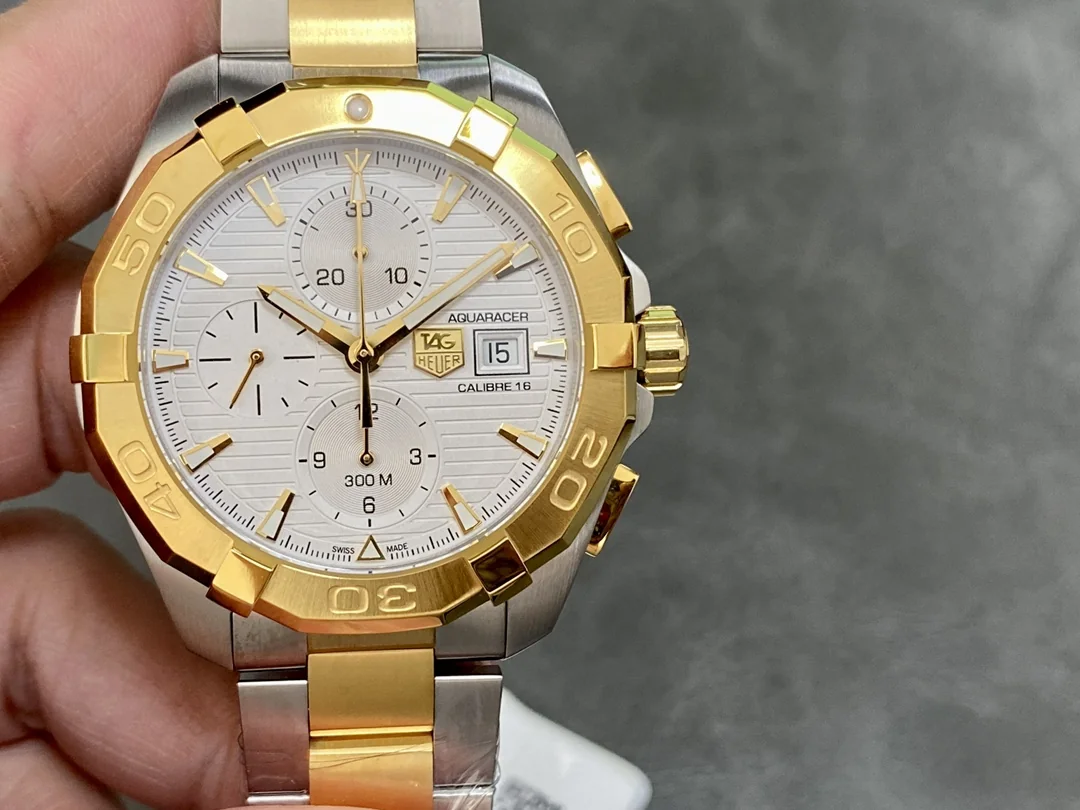
Check the logo, the text lines and the sub-dial rings (on chronographs). Printing should be sharp with no ink bleed at the edges, and the lettering should match the listing photos exactly — including small text like "WATER RESISTANT" or the reference line. Blurry or shifted printing is the most common quality complaint we see, and it is the easiest to spot.
2. Hands and lume
Hands should sit parallel to the dial — not tilted, not dragging. Lume plots should be even, with no drips or gaps, and the pattern should match the photos. Darken the room for thirty seconds: the lume should glow evenly across every plot. Uneven lume means the fill was rushed.
3. Crystal
Look through the crystal at the dial from an angle. On sapphire references (stated per listing) the dome should be smooth with no internal streaks, and the anti-reflective coating should show the correct colour cast. Check the edge where the crystal meets the bezel — there should be no gap and no pressure marks on the dial.
4. Case finishing
Run your finger around the case: brushed surfaces should feel uniformly satin, polished chamfers should be mirror-smooth, and the pattern should follow the listing photos. Look for tool marks, deep scratches or a "fuzzy" polish under raking light. Light handling marks are normal; deep marks are not.
5. Bezel action
On rotating-bezel watches (Aquaracer, Formula 1, dive references), the bezel should turn in clean, even clicks with no play, no wobble and no grinding. A bezel that spins freely with no resistance is a gasket problem; a bezel that sticks in one spot is a fitment problem. Both are fixable, but both should be reported.
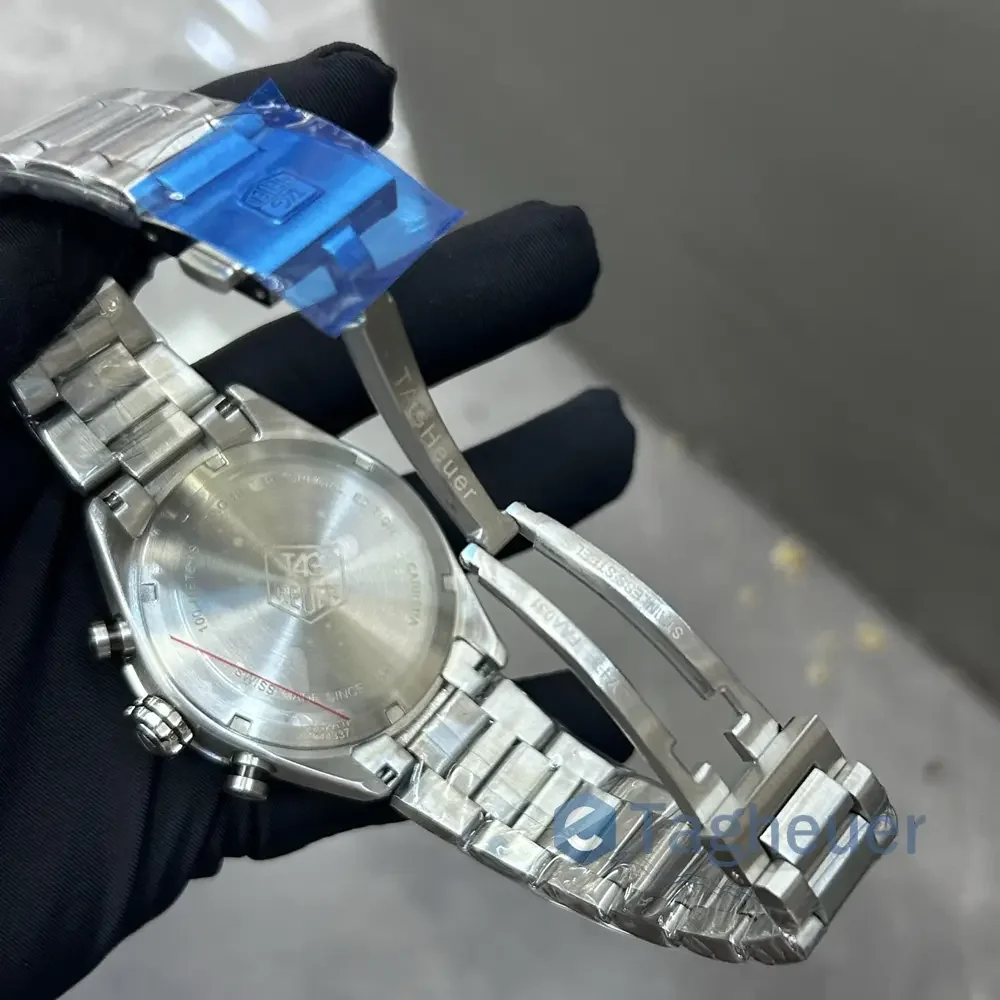
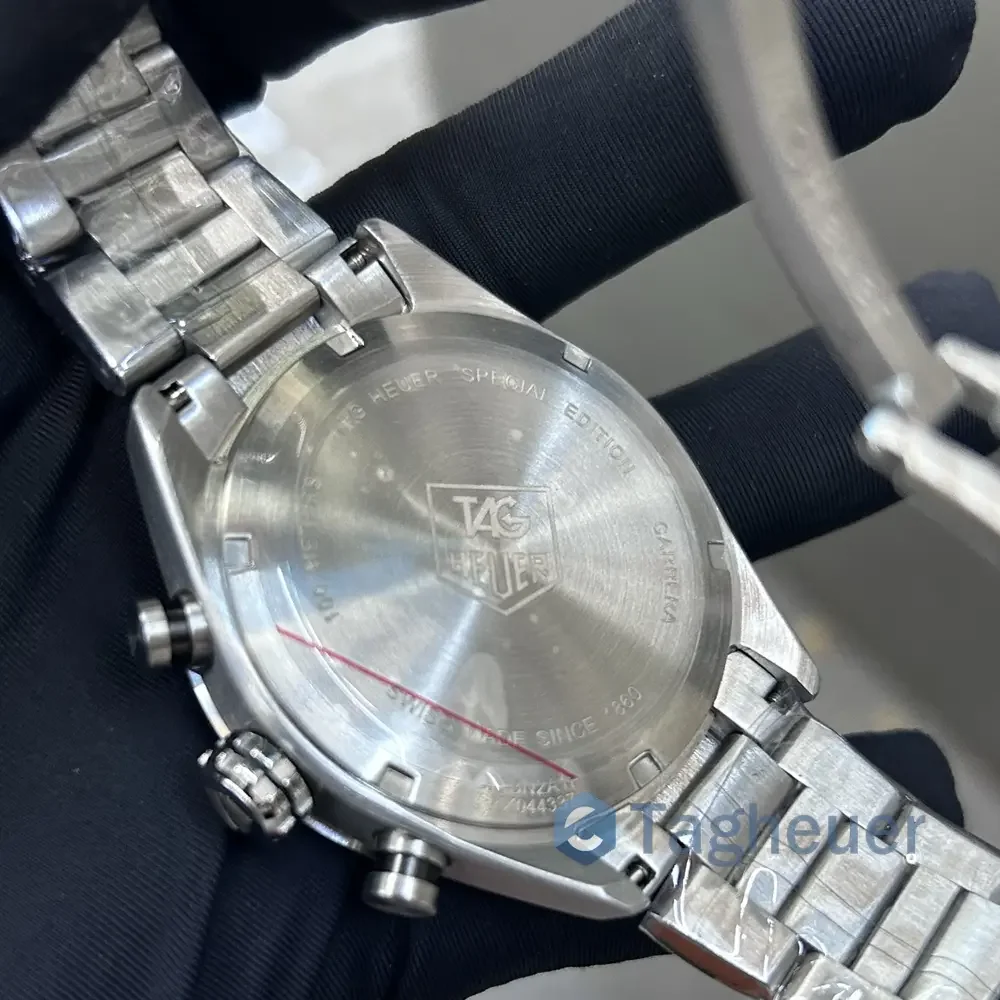
6. Caseback
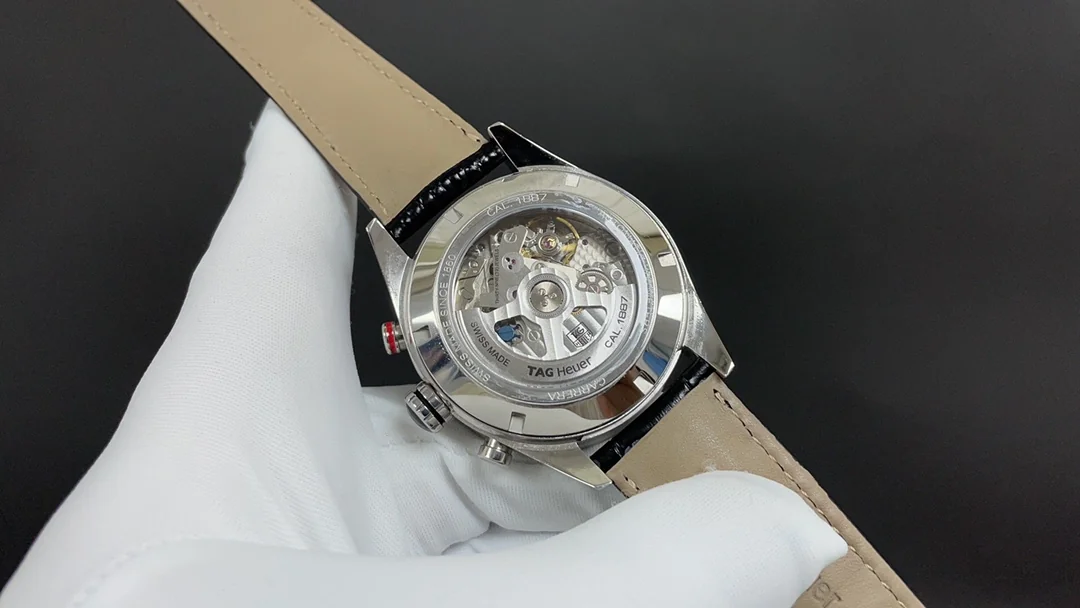
Check the engravings and the crystal (on exhibition backs). The caseback should sit flat with no rocking. On exhibition-back references, look at the movement decoration — it should match the grade stated in the listing (a super clone shows decorated rotors and perlage; a standard grade shows a plainer movement).
7. Movement behaviour
Set the time and let it run. Automatic: the seconds hand should sweep, not tick; after full wind it should keep time within a reasonable daily deviation. Quartz: the seconds hand should tick in clean one-second steps. Chronograph: press each pusher — start, stop, reset — and confirm the sub-dials return to zero. Any pusher that feels loose or spongy gets reported.
8. Bracelet and clasp
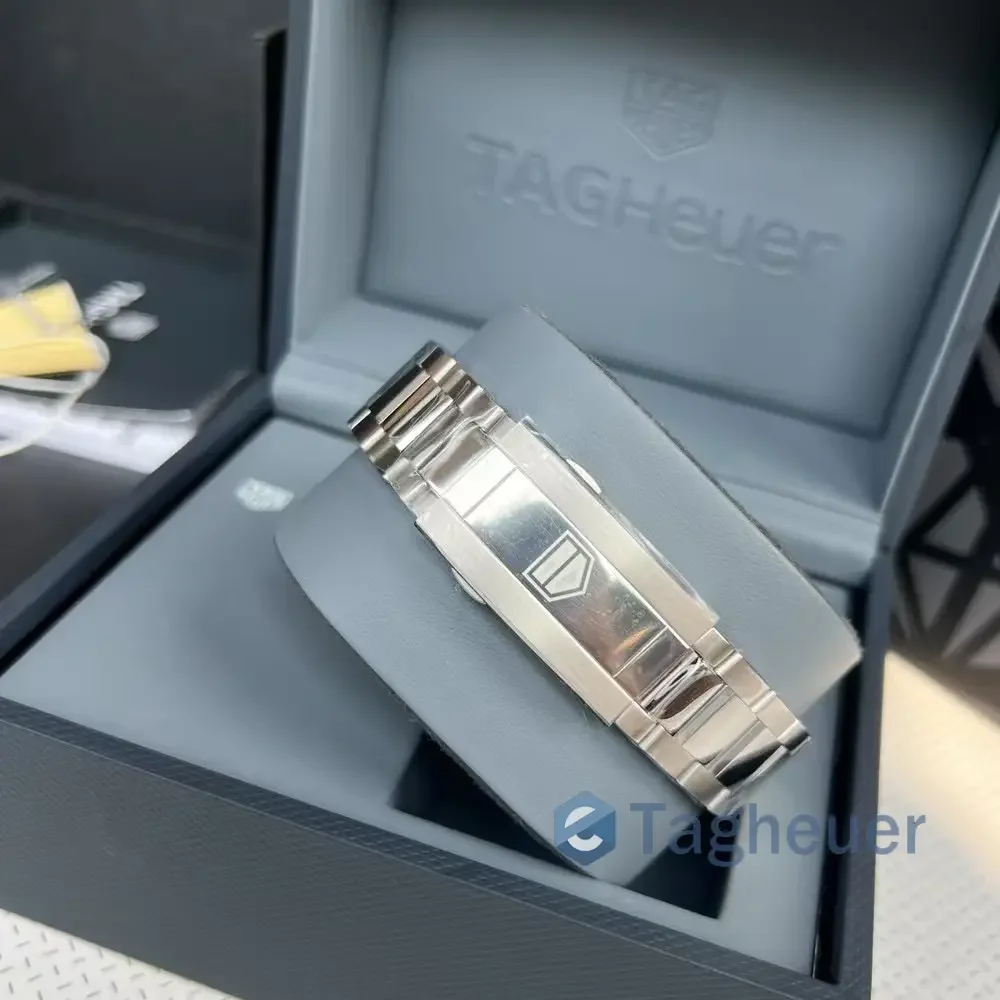
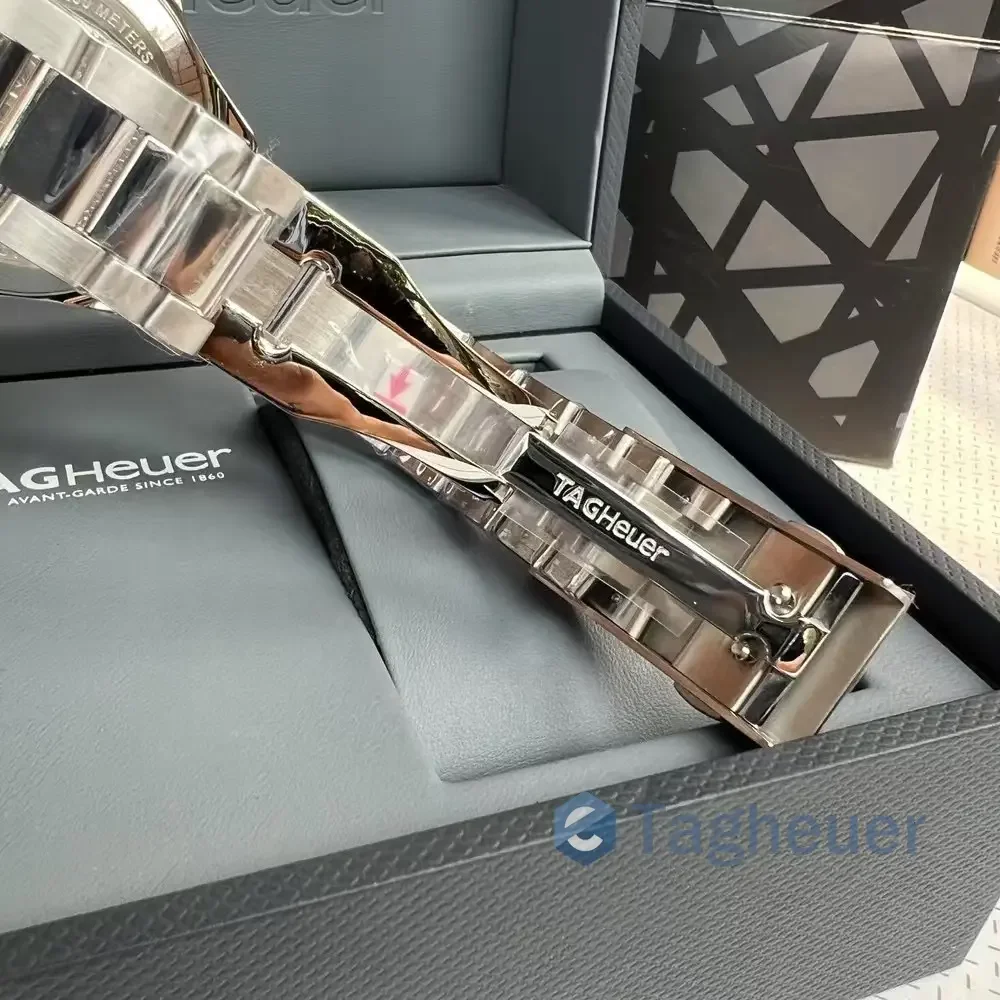
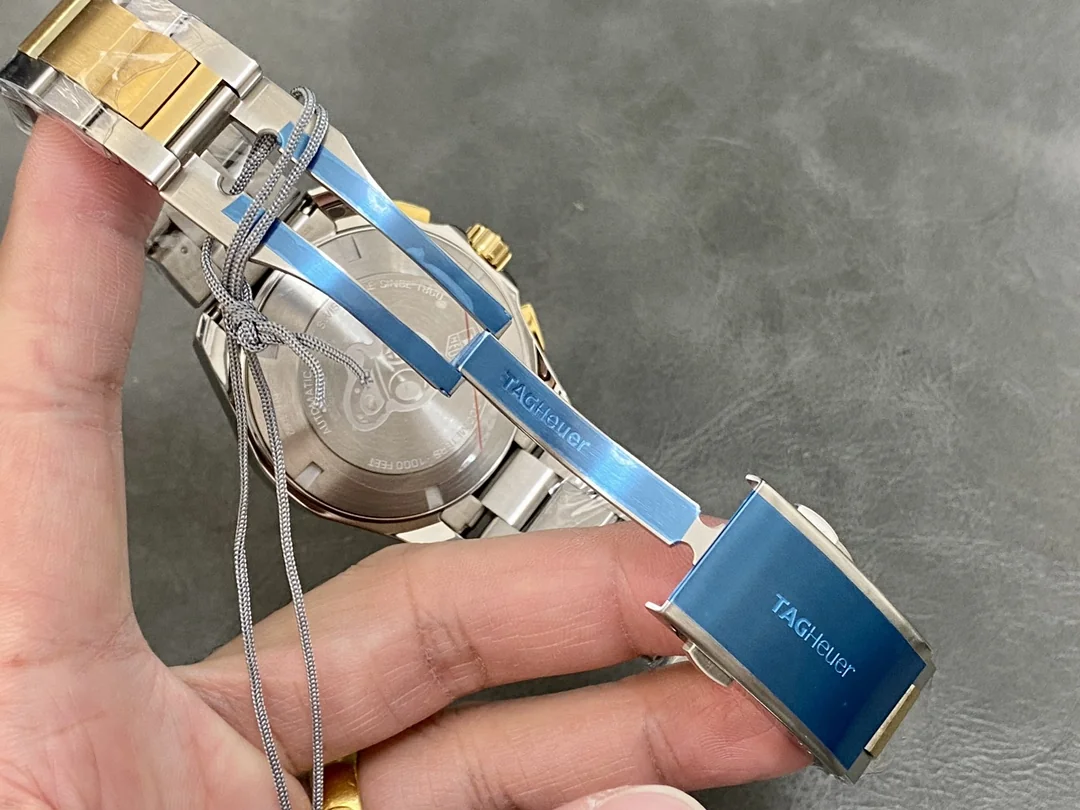
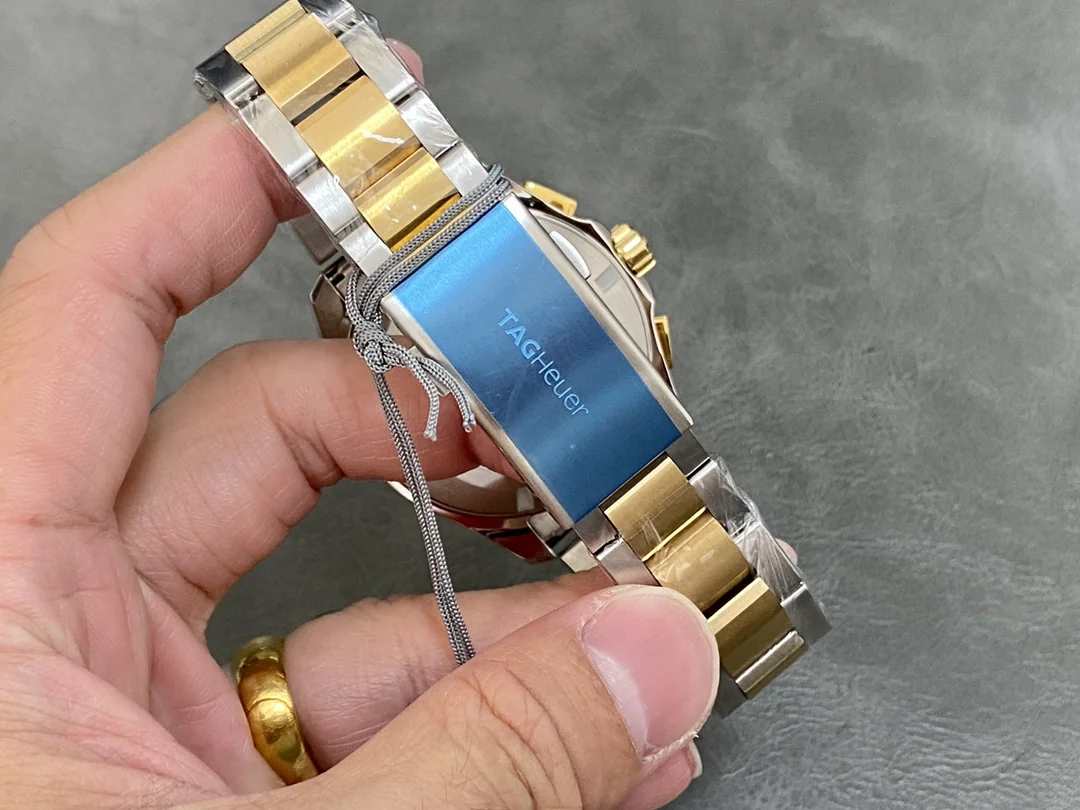
Open and close the clasp: it should lock with a definite click and not spring open. Run the bracelet through your fingers — links should articulate smoothly with no sharp edges, and the end links should sit flush against the lugs. On strap references, check stitching and the buckle pin. A bracelet that feels loose at the clasp is the second most common report we receive.
9. Weight and fit
Put it on. Steel should feel solid; titanium (stated per listing, e.g. some Aquaracer references) should feel noticeably lighter. The watch should sit level on your wrist. If it feels dramatically lighter than you expected for the metal stated in the listing, note it — it is rare, but it happens.
10. Date and complications
Advance the date (per the method in the listing notes) and check that the date wheel flips cleanly, is centered in its window, and does not shift the time. On chronographs, confirm the date and the chronograph do not interfere. This is the point most buyers skip and the one that causes the most "it stopped working" calls a month later.
What to do if something is off
Do not return the watch in a panic — photograph the issue in daylight (close-up plus a full-watch shot), note the reference and order number, and contact us through the channels in the site header (WhatsApp is fastest). Our FAQ covers warranty terms and the standard resolution path: repair, replace or refund depending on the issue. Most reports are resolved with a part or a swap, not a full return.
Why we ask you to inspect
A watch that has been worn for two weeks is much harder to assess than a fresh one — and the inspection window protects you. Ten minutes at the table saves a ten-day conversation later. If you are new to replica watches, run this checklist on your first watch and it becomes habit; after that, you will spot issues in under a minute. And if you are still deciding which reference to order, the Carrera and Aquaracer collections are where most first orders start — every listing is photographed per reference, which is what makes this checklist possible.